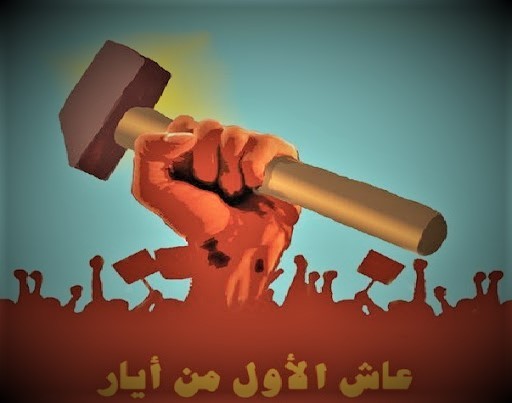
أطلق الإتحاد العام لنقابات عمال فلسطين نداء عاجلا إلى النقابات والقوى العمالية في الولايات المتحدة الأميركية، بمناسبة يوم العمال العالمي – الأول من أيار / مايو 2026، وجه خلاله بعدة مطالب.
وفيما يلي نص البيان كاملاً باللغتين العربية والانجليزية:
بمناسبة الأول من أيار- يوم العمال العالمي- وانطلاقاً من جوهر هذا اليوم كفعلٍ ثوري يستنهض القوى الكامنة للطبقة العاملة، وكمنصةٍ لتحرّك نقابي متصاعد، خاصة في الولايات المتحدة الأمريكية، يُوجّه الاتحاد العام لنقابات عمال فلسطين هذا النداء العاجل إلى النقابات والقوى العمالية في الولايات المتحدة الأمريكية، كخطوةٍ أولى نحو بناء ضغط فعلي يُحوّل التضامن إلى أدوات تأثير ملموسة ومستمرة؛ فمن خنادق الصمود والمعاناة، ومن بين الركام الذي كان يوماً مصانع وورشاً ومصادر حياة، نتوجه إليكم، رفاقنا في الحركة العمالية في الولايات المتحدة، بنداءٍ يستند إلى وحدة الانتماء الطبقي والمسؤولية التاريخية المشتركة، وإلى قناعةٍ راسخة بأن قوة العمال، حين تتوحد، قادرة على إعادة تشكيل موازين العدالة في العالم.
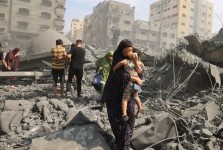
في هذه الظروف العصيبة التي يعيشها العالم ومنطقتنا، وفلسطين على وجه الخصوص، يعيش عمال فلسطين، وخاصة في قطاع غزة، واحدة من أكثر الكوارث الإنسانية والاجتماعية قسوة في العصر الحديث؛ فقد تعطّلت دورة الإنتاج بشكلٍ شبه كامل، وفقد أكثر من نصف مليون عامل مصادر رزقهم، فيما تجاوزت معدلات البطالة مستويات غير مسبوقة وصلت إلى أكثر من 80%، في ظل حصار مستمر منذ سنوات طويلة وتدمير واسع للبنية التحتية والمنشآت الإنتاجية. ولم يقتصر الأمر على توقف العمل، بل امتد إلى تدمير شامل للبنية الإنتاجية، من مصانع وورش ومرافق خدمية، ما أدى إلى اقتلاع الأساس المادي للحياة الاقتصادية، ودفع العمال إلى حالة من العجز التام عن تأمين مصدر دخل.
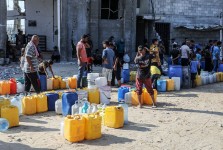
وإننا نضع بين أيديكم واقعاً مرعباً لما آلت إليه "سلة غذاء غزة"؛ حيث يتعرض قطاعا الزراعة والصيد لإبادة ممنهجة وشلل تام، إذ تم تدمير أكثر من 94% من الأراضي الزراعية، وتهاوى الإنتاج بشكلٍ شبه كامل من 405 آلاف طن سنوياً إلى نحو 28 ألف طن فقط. وفي عرض البحر، يواجه الصيادون الموت اليومي؛ حيث دمرت الزوارق الحربية الصهيونية معظم قوارب الصيد وأحرقت شباكهم ومعداتهم، وحّولت رحلة البحث عن الرزق إلى مقتلة، ارتقى فيها عشرات الشهداء والمصابين، واختُطف آخرون إلى مراكز التحقيق والاعتقال تحت وقع الرصاص والقذائف، مما أدى إلى انهيار منظومة الأمن الغذائي وتحّول المساحات الخصبة إلى أراضٍ قاحلة ملوثة، وترك أكثر من 560 ألف شخص دون سبل عيش في مواجهة خطر مجاعة حقيقية.
كما تكشف المعطيات عن حجم الخسائر الكارثية التي تكبّدها العمال، حيث تجاوزت الخسائر الاقتصادية 9 مليارات دولار خلال عامين، نتيجة تدمير القطاعات الإنتاجية ومنع العمال من الوصول إلى أماكن عملهم، بما في ذلك داخل أراضينا المحتلة عام 1948، حيث كان نحو 220 ألف عامل يشكّلون ركيزة أساسية للاقتصاد الفلسطيني، قبل أن يُحرموا من العمل بشكل مفاجئ، ما أدى إلى صدمة اقتصادية واجتماعية حادة، وتراجع القدرة الشرائية، وارتفاع معدلات الفقر والديون في المجتمع، ناهيك عن استمرار استهداف وملاحقة واعتقال الطبقة الكادحة سواء في غزة أو الضفة.
وإن ما يتعرض له العمال في فلسطين من جرائم ممنهجة، يتقاطع مع ما تشهده شعوب المنطقة من استهداف إسرائيلي سافر وبدعم من الإدارة الأمريكية للحياة الاقتصادية والمعيشية، بما يشمل المصانع ووسائل الإنتاج ومقومات الحياة الاقتصادية، في إطار جريمة مركّبة تتداخل فيها الأبعاد السياسية والعسكرية والاقتصادية، وتستهدف تعطيل قدرة الشعوب على العمل والإنتاج والبقاء.
الرفاق في النقابات والقوى العمالية والنقابية الأميركية
إن الكارثة المستمرة الآن في فلسطين وغزة لا تُقاس فقط بالأرقام والإحصائيات الكارثية غير المسبوقة، بل بطبيعتها البنيوية؛ إذ يجري تفكيك المجتمع العمالي نفسه، وتجري محاصرة قدرته على إعادة إنتاج حياته، تزامناً مع دمار هائل وشامل في البنية التحتية. وفي ظل غياب أي أفق اقتصادي، يُدفع العمال نحو الفقر القسري، أو الهجرة القسرية، أو البقاء في دائرة العجز الكامل.
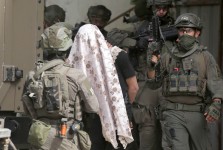
أما في الضفة الغربية المحتلة، فقد تحوّلت رحلة البحث عن العمل إلى اختبار يومي للبقاء. آلاف العمال يخرجون قبل الفجر، يواجهون الحواجز والجدران، ويتحركون في مسارات محفوفة بالرصاص والاعتقال. وتكشف الإحصاءات عن سقوط 74 شهيداً من العمال خلال العام الماضي أثناء محاولتهم الوصول إلى أماكن عملهم، بينهم 18 عاملاً استُشهدوا برصاص مباشر، إضافة إلى أكثر من 35 ألف حالة اعتقال و1500 إصابة خلال عامين، ما يحوّل السعي وراء لقمة العيش إلى رحلة يومية على حافة الموت.
وفي مشهد يتكرر يومياً، يتجمع العمال قرب فتحات الجدار أو البوابات العسكرية، يراقبون تحركات الجنود، وينتظرون لحظة للعبور، فيما يتسلق بعضهم السياج، ويحفر آخرون طرقاً بدائية، ويعبر آخرون من ثغرات ضيقة، ليواجهوا في كل خطوة خطر إطلاق النار أو المطاردة أو الاعتقال. ولا تقتصر المعاناة على الجانب الاقتصادي، بل تمتد إلى أبعاد إنسانية ونفسية عميقة، حيث تعيش عائلاتهم حالة ترقب دائم، بين عودةٍ آمنة أو خبر اعتقال أو إصابة أو استشهاد.
زملاءنا في الحركة العمالية الأميركية..
إن شهداء هذه الكارثة هم زملاؤكم ورفاقكم في المهنة والانتماء الطبقي. إنهم لا يجب أن يُختزلوا في أرقام، بل هم عمال كانوا ينتجون، يعالجون، يعلّمون، وينقذون الحياة؛ ولذلك فإن استهدافهم يعني استهدافاً مباشراً لفكرة العمل ذاته، وللقيم التي قامت عليها الحركة النقابية العالمية. ومن موقع الشراكة في النضال، ومن إدراكنا لأهمية وتأثير حضوركم، خصوصاً في الولايات المتحدة الأميركية.
وعليه، ونحن نحييكم ونحيي الطبقة العاملة في العالم أجمع، لا سيما الشهداء والأسرى والجرحى والمكلومين بمناسبة يوم العمال العالمي، فإننا في الإتحاد العام لنقابات عمال فلسطين ندعوكم إلى الانتقال من مرحلة التعبير إلى مرحلة الفعل، ومن التضامن الرمزي إلى التضامن المؤثر، ونطالبكم بما يلي:
1. النضال من أجل وقف استثمار صناديق التقاعد النقابية في دولة الأبارتهايد؛ فأموال العمال يجب أن تكون أداة لحماية حقوقهم، لا وسيلة لتمويل انتهاكها. لذلك فإن سحب الاستثمارات من السندات والشركات المرتبطة بالاقتصاد الحربي يُشكّل خطوة مركزية في إعادة توجيه القوة الاقتصادية للحركة النقابية نحو خدمة العدالة، كما ندعو إلى تبني سياسات استثمار أخلاقية شفافة تخضع لرقابة القواعد العمالية.
2. العمل على منع تصدير أسلحة الدمار والموت؛ فللحركة النقابية دور حاسم في سلاسل الإمداد العالمية، ما يتيح لها التأثير المباشر في تعطيل شحنات السلاح ووقف المشاركة في إنتاجها أو نقلها، عبر مواقف نقابية واضحة داخل الموانئ والمصانع ومراكز الشحن.
3. الضغط العاجل والجاد لفك الحصار عن الصيادين والمزارعين؛ وضمان وقف اعتداءات الزوارق الحربية الصهيونية، والسماح بإدخال مستلزمات الإنتاج (بذور، أسمدة، وقود، وشباك صيد وقوارب بديلة) لتمكين العمال من انتزاع لقمة عيشهم بكرامة وحماية ما تبقى من دورة الحياة الغذائية.
4. الضغط لإلزام الحكومة الأميركية بمراعاة القوانين الدولية، ليس فقط عبر البيانات، بل من خلال حملات ضغط منظمة، ومساءلة سياسية، وربط الدعم باحترام حقوق الإنسان وحقوق العمال.
5. الارتقاء بالموقف النقابي الأميركي إلى مستوى الحركة العمالية العالمية؛ فالمرحلة تتطلب إعادة تموضع النقابات الأميركية ضمن حركة عمالية أممية أكثر تماسكاً، والانسجام مع مواقف الاتحادات الدولية التي اتخذت مواقف واضحة داعمة لحقوق الشعب الفلسطيني.
6. التأكيد على التضامن مع الشعب الفلسطيني وحقه في تقرير مصيره؛ ليس باعتباره موقفاً أخلاقياً فقط، بل كجزء من معركة عالمية من أجل الحرية والعدالة الاجتماعية.
7. التذكير بأن الضحايا الشهداء هم من صميم الحركة العمالية؛ فالأطباء والممرضون، والمعلمون والأساتذة، والصحفيون، وسائقو سيارات الإسعاف، وعمال الإنقاذ- جميعهم يشكّلون القاعدة الحية للحركة العمالية الفلسطينية، واستهدافهم هو استهداف لقدرة المجتمع على الصمود.
8. الانتقال إلى مبادرات نقابية عملية ومستدامة عبر إطلاق حملات تثقيف داخل النقابات، وتبني قرارات رسمية بالمقاطعة، وبناء تحالفات مع حركات اجتماعية، وتنظيم فعاليات واحتجاجات ميدانية، بما يخلق ضغطاً تراكمياً مستمراً.
زملاءنا ورفاقنا
إن التاريخ لا يُكتب بالبيانات، بل بالفعل المنظم، وإن الحركة العمالية التي صنعت حقوقها عبر النضال قادرة اليوم على أن تكون قوة حاسمة في مواجهة الظلم، إذا ما توفرت الإرادة. وشعبنا في فلسطين، وعمالنا على وجه الخصوص، ينتظرون منكم أفعالاً ترتقي إلى حجم المأساة.
عاش التضامن العمالي الأممي... عاشت الطبقة العمالية الكادحة في يوم العمال من أجل عالم جديد يسوده السلام والاستقرار والحرية والعدالة والكرامة الإنسانية
الإتحاد العام لنقابات عمال فلسطين
الأول من أيار- 2026
• طارق الهندي/ نائب الأمين في الاتحاد العام لنقابات عمال فلسطين
• بشير السيسي/ عضو الأمانة العامة في الاتحاد العام لنقابات عمال فلسطين
An Urgent call from the
Palestinian General Federation of Trade Unions
To Trade Unions and Labor Forces
in the United States of America
On the Occasion of International Workers' Day
May 1, 2026
https://sisinfo.short.gy/PGFTU-May-Day-2026
On the occasion of May 1st — International Workers' Day — and drawing on the essence of this day as a revolutionary act that awakens the latent power of the working class, and as a platform for escalating union action, particularly in the United States of America, the Palestinian General Federation Trade Unions addresses this urgent appeal to the unions and labor forces in the United States of America, as a first step toward building real pressure that transforms solidarity into tangible and lasting tools of influence. From the trenches of steadfastness and suffering, and from amid the rubble of what were once factories, workshops, and sources of livelihood, we turn to you — our comrades in the labor movement in the United States — with an appeal rooted in the unity of class belonging and shared historical responsibility, and in the firm conviction that the power of workers, when united, is capable of reshaping the scales of justice in the world.
In these difficult circumstances facing the world and our region — and Palestine in particular — Palestinian workers, especially in the Gaza Strip, are living through one of the most severe humanitarian and social catastrophes of the modern era. The cycle of production has been nearly completely disrupted, more than half a million workers have lost their livelihoods, and unemployment rates have reached unprecedented levels exceeding 80%, under a siege that has lasted for many years and amid widespread destruction of infrastructure and productive facilities. The damage has not been limited to the loss of work, but has extended to the comprehensive destruction of productive infrastructure — factories, workshops, and service facilities — uprooting the material foundation of economic life and leaving workers utterly unable to secure any source of income.
We present to you a harrowing reality regarding the fate of Gaza’s “food basket": the agricultural and fishing sectors are being subjected to systematic eradication and total paralysis. More than 94% of agricultural land has been destroyed, and production has collapsed nearly entirely—plummeting from 405,000 tons annually to a mere 28,000 tons. Out at sea, fishermen face death on a daily basis; Israeli warships have destroyed most fishing boats, burned their nets and equipment, and turned their search for sustenance into a massacre. Dozens have fallen as martyrs or been wounded, while others have been abducted to interrogation and detention centers under a hail of gunfire and shells. This has resulted in the total collapse of the food security system, the transformation of fertile lands into barren, contaminated terrain, and has left more than 560,000 people without means of sustenance, facing the very real threat of famine.
Data reveals the catastrophic scale of the losses incurred by workers. Economic losses have exceeded $9 billion over a two-year period. As a result, of the destruction of the production sectors and the obstruction of workers' access to their workplaces—including within the territories occupied in 1948—where approximately 220,000 workers once constituted a vital pillar of the Palestinian economy. Their sudden deprivation of work triggered a severe economic and social shock, leading to a decline in purchasing power and a surge in poverty and debt rates throughout society—not to mention the ongoing targeting, harassment, and detention of the working class in both Gaza and the West Bank.
The systematic crimes to which workers in Palestine are subjected intersect with the blatant Israeli targeting—backed by the U.S. administration—including factories, means of production, and the foundations of economic life, within the framework of a complex crime. This forms part of a compound crime in which political, military, and economic dimensions are intertwined, and aims to cripple the peoples' capacity to work, produce, and survive.
Comrades in American Trade Unions and Labor Forces…
The ongoing catastrophe in Palestine and Gaza cannot be measured merely by unprecedented, catastrophic figures and statistics, but by its very structural nature; for the working-class community itself is being dismantled, and its capacity to reproduce its own existence is being stifled—all amidst massive and comprehensive destruction of infrastructure. In the absence of any economic horizon, workers are being driven toward forced poverty, forced migration, or remaining trapped within a cycle of total helplessness.
In the occupied West Bank, the quest for work has transformed into a daily test of survival. Thousands of laborers set out before dawn, confronting checkpoints and walls, and navigating routes fraught with the risk of gunfire and arrest. Statistics reveal that 74 workers were killed over the past year while attempting to reach their workplaces—18 of whom were killed by direct fire—in addition to more than 35,000 arrests and 1,500 injuries recorded over a two-year period, effectively turning the pursuit of a livelihood into a daily journey to the brink of death.
In a scene that unfolds daily, workers gather near gaps in the wall or military gates, watching the movements of soldiers and waiting for the opportune moment to cross. While some scale the fence, others dig rudimentary tunnels or squeeze through narrow openings—facing at every step, the peril of gunfire, pursuit, or arrest. This suffering is not confined to the economic sphere; rather, it extends to profound human and psychological dimensions, as their families live in a state of perpetual suspense—caught between the hope of a safe return and the dreaded news of an arrest, injury, or martyrdom.
Our colleagues in the American Labor Movement...
The martyrs of this catastrophe are your colleagues—your peers in both profession and class. They must not be reduced to mere statistics; rather, they were workers who produced, healed, taught, and saved lives. Consequently, targeting them constitutes a direct assault on the very concept of labor itself, as well as on the values upon which the global trade union movement was founded. It is from this standpoint of shared struggle—and with a full appreciation of the significance and impact of your presence, particularly within the United States—that we reach out to you.
Accordingly, as we extend our greetings to you and to the working class worldwide, particularly the martyrs, prisoners, wounded, and bereaved, on the occasion of International Workers' Day, we in the Palestinian General Federation of Trade Unions call upon you to transition from the stage of expression to the stage of action, and from symbolic solidarity to impactful solidarity. We hereby ask the following:
1. Fight to halt the investment of trade union pension funds in the apartheid state. Workers' funds must serve as a tool to protect their rights, not as a means to finance their violation. Therefore, divesting from bonds and companies linked to the war economy constitutes a pivotal step in redirecting the economic power of the trade union movement toward serving the cause of justice; furthermore, we call for the adoption of ethical, transparent investment policies subject to oversight by the union rank and file.
2. Work to prevent the export of weapons of destruction and death. The union movement plays a decisive role within global supply chains, enabling it to exert direct influence to disrupt arms shipments—and to halt participation in their production or transport—through clear union stances adopted within ports, factories, and shipping hubs.
3. Urgent and serious pressure to lift the blockade on fishermen and farmers and attacks by Zionist gunboats; and to permit the entry of production supplies (including seeds, fertilizers, fuel, fishing nets, and replacement boats) thereby enabling workers to earn their livelihood with dignity and safeguarding what remains of the food production cycle.
4. Pressure to compel the U.S. government to adhere to international law—not merely through statements, but through organized advocacy campaigns, political accountability, and by conditioning support on respect for human rights and labor rights.
5. Elevate the American trade union position to the level of the global labor movement: the current stage requires repositioning American trade unions within a more cohesive international labor movement, and aligning with the positions of international federations that have taken clear positions supporting the rights of the Palestinian people.
6. Affirm solidarity with the Palestinian people and their right to self-determination—not merely as a moral stance, but as part of a global struggle for freedom and social justice.
7. Remember that the martyred victims are at the very heart of the labor movement. Doctors and nurses, teachers and professors, journalists, ambulance drivers, and rescue workers—all constitute the living foundation of the Palestinian labor movement, and targeting them is a direct assault on society’s capacity to persevere.
8. Transition to practical and sustainable trade union initiatives by launching educational campaigns within unions, adopting official boycott resolutions, building alliances with social movements, and organizing field-based events and protests—thereby generating continuous, cumulative pressure.
Our colleagues and comrades…
History is not written in statements, but in organized action. The labor movement that forged its rights through struggle is capable today of serving as a decisive force in the face of injustice, provided the will is present. Our people in Palestine—and our workers in particular—await from you actions that rise to the magnitude of the tragedy.
Long live international workers’ solidarity… Long live the laboring working class—on this May Day—striving for a new world governed by peace, stability, freedom, justice, and human dignity.
Palestinian General Federation of Trade Unions
May 1, 2026
Signatures:
Tariq Al-Hindi / Deputy Secretary-General, Palestinian General Federation of Trade Unions
Bashir Al-Sisi / Member of the General Secretariat, Palestinian General Federation of Trade Unions